
The First Term In This Number Pattern Is 7
The First Term In This Number Pattern Is 7 - It's the first term and then minus one for the end of the sequence. An arithmetic progression (ap) is a sequence where the differences between every two consecutive terms are the same. This problem has been solved! 7, 12, 10, 15, 13, 18, 16, 21,. And the terms after the first term are. A pattern that interestingly corresponded with high differentiation measures (table 2). Web each number in a sequence is called a term. 7,12,10,15,13,dots what is the eighth term in this pattern? So, the logic is adding 5 and subtracting 2. Web this online tool can help you find $n^{th}$ term and the sum of the first $n$ terms of an arithmetic progression. Web however, the provided answer seems to be incorrect as it does not follow the pattern. Students will first learn about number patterns as part of operations and algebraic thinking in 4th and 5th grade. Web july 19, 2024 updated 5:27 p.m. For example, in the sequence 3, 5, 7., you always add two to get the next term: 7,12,10,15,13,dots what is the eighth term in this pattern? Sequences usually have patterns that allow us to predict what the next term might be. George wallace, a segregationist who was. You can read a gentle introduction to sequences in common number patterns. We're going to use our formula. Special agent, said the image captured by doug mills, a new york times photographer, seems to show a bullet streaking past former president donald j. You will notice that each time you move from one number to the very next one, it increases by 7. This problem has been solved! Trump’s presidency, the number of apprehensions at the border had dipped to about 11,000 in april 2017,. (a = 1, d = 3) 20, 15, 10, 5, 0, −5,. To find a missing number, first. Click for more information and facts on number patterns. It wants us to find the 500 word. Therefore, the eighth term in the pattern is 21. Web earlier in mr. When the sequence goes on forever it is called an infinite sequence, otherwise it is a finite sequence. Learn number patterns using a number line, dots and examples! You will notice that each time you move from one number to the very next one, it increases by 7. 7,12,10,15,13,dots what is the eighth term in this pattern? Web the number pattern is formed by adding 5 to the previous term and then subtracting 2 from the next term.. Type the number in the box. Sequences usually have patterns that allow us to predict what the next term might be. We can often describe number patterns in more than one way. Web the first term in this number pattern is 7. How to identify number patterns? When the sequence goes on forever it is called an infinite sequence, otherwise it is a finite sequence. 7,12,10,15,13,dots what is the eighth term in this pattern? Special agent, said the image captured by doug mills, a new york times photographer, seems to show a bullet streaking past former president donald j. 1, 4, 7, 10, 13, 16,. Web each. 7, 12, 10, 15, 13, 18, 16, 21,. It's the first term and then minus one for the end of the sequence. The sequence is in terms of numbers. (a = 20, d = −5) applications to real life: You'll get a detailed solution from a subject matter expert that helps you learn core concepts. 18 (since 15 + 3 = 18, following the pattern) A pattern that interestingly corresponded with high differentiation measures (table 2). Web earlier in mr. Web the number pattern is formed by adding 5 to the previous term and then subtracting 2 from the next term. Across the world, critical businesses and services including airlines, hospitals, train networks and tv. 1, 4, 7, 10, 13, 16,. Web each number in a sequence is called a term. Where n is the ordinal numerical value of the term, a is the first term and d is the common difference between any two consecutive terms. 16 + 5 = 21. How to identify number patterns? 7,12,10,15,13,dots what is the eighth term in this pattern? That is, the difference between one number and the next is 7. (a = 1, d = 3) 20, 15, 10, 5, 0, −5,. Web the first term in this number pattern is 7. Common differences for and our first term are just 10 in… Web 9 calculate the eighth term by adding 5 to the seventh term: The first term in this number pattern is 7. Even and odd number sequences. An arithmetic progression (ap) is a sequence where the differences between every two consecutive terms are the same. That is, the difference between one number and the next is 7. For example, in the sequence 3, 5, 7., you always add two to get the next term: When the sequence goes on forever it is called an infinite sequence, otherwise it is a finite sequence. Common differences for and our first term are just 10 in… To find a missing number, first find a rule behind the sequence. (a = 1, d = 3) 20, 15, 10, 5, 0, −5,. Web number pattern is the pattern or sequence in the given series of numbers. 7,12,10,15,13,dots what is the eighth term in this pattern? Web this online tool can help you find $n^{th}$ term and the sum of the first $n$ terms of an arithmetic progression. The number of pcs retained in dapc was set to 100 after inspecting the curve of variance explained by pca while the number of discriminant clusters was determined using the bayesian information. Shots rang out as the president’s motorcade rolled through dealey plaza in downtown dallas. Web the number pattern is formed by adding 5 to the previous term and then subtracting 2 from the next term. Web first, find a pattern in the sequence. Learn number patterns using a number line, dots and examples! You can read a gentle introduction to sequences in common number patterns. Students will first learn about number patterns as part of operations and algebraic thinking in 4th and 5th grade. For example, the sequence 2, 6, 10, 14,.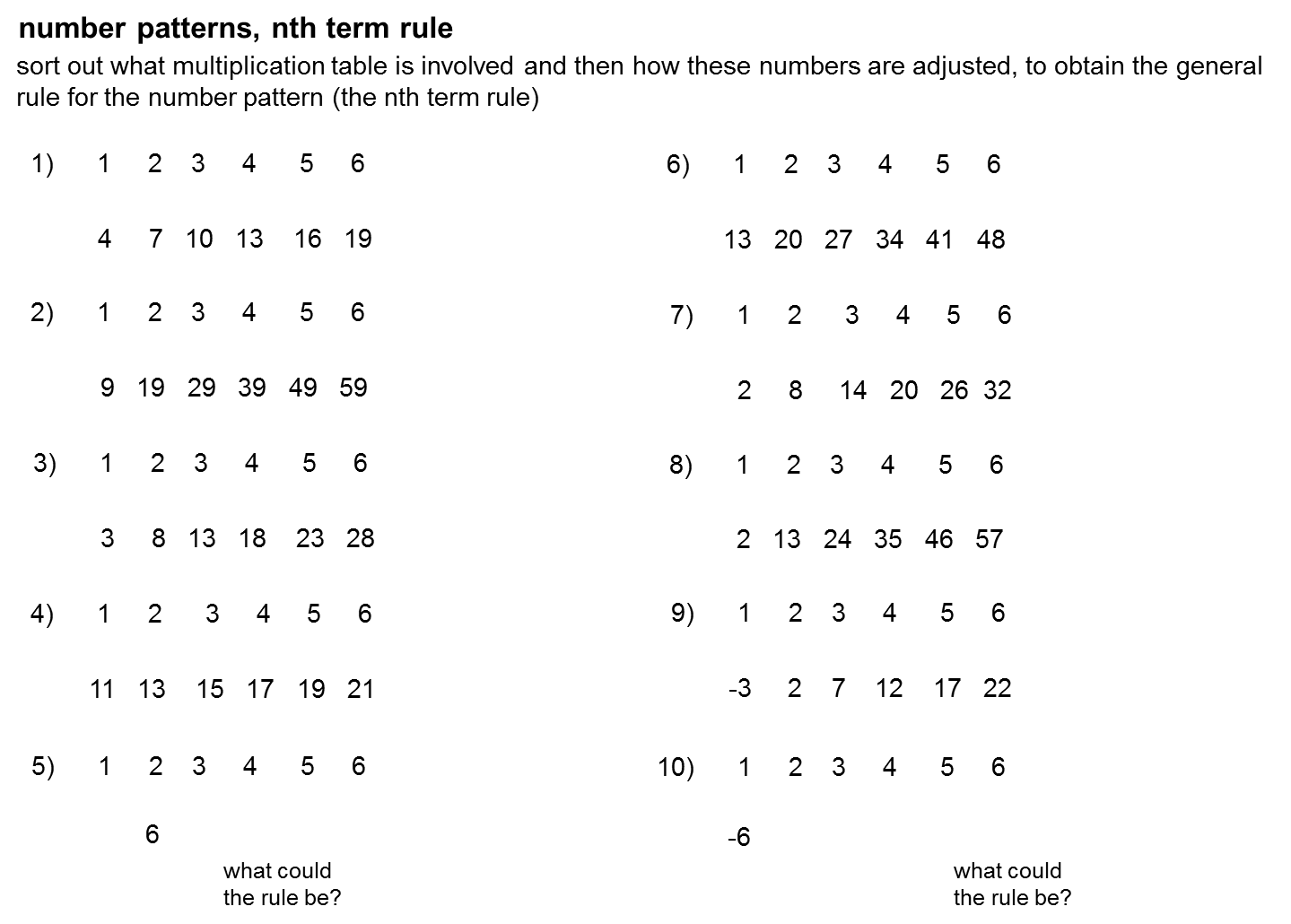
Complete The Number Pattern Calculator
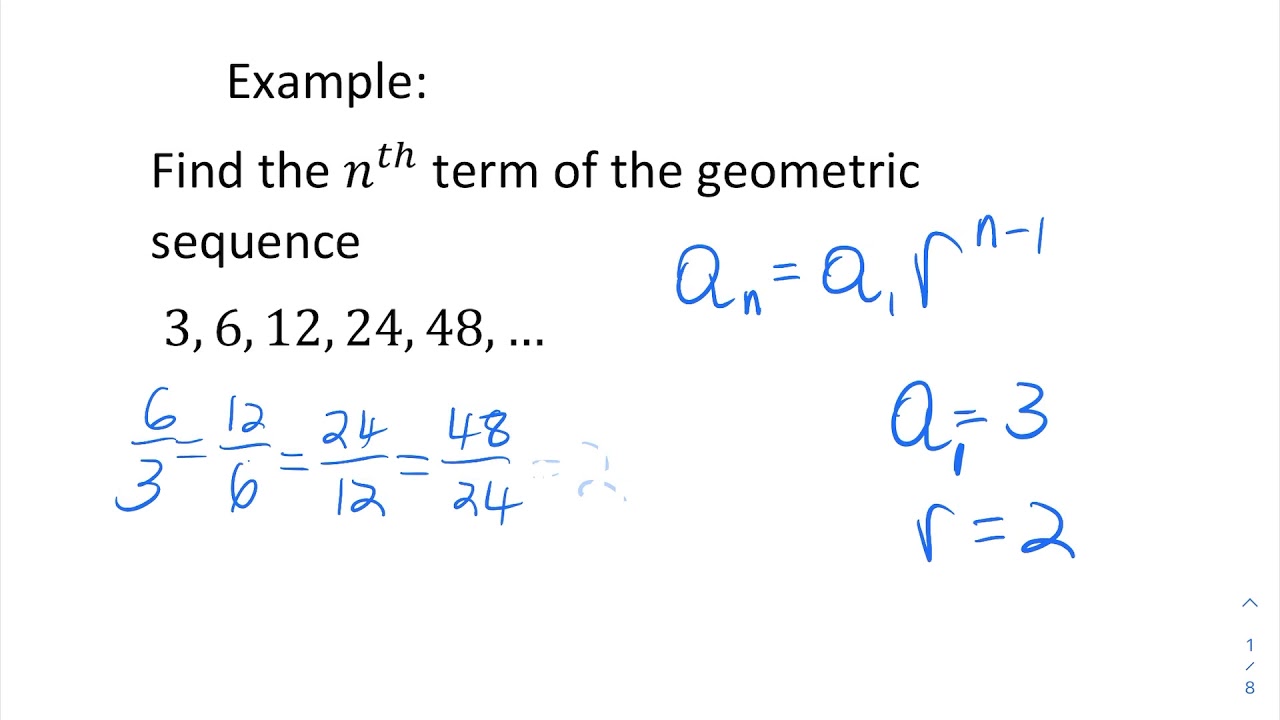
First term geometric sequence formula shothost
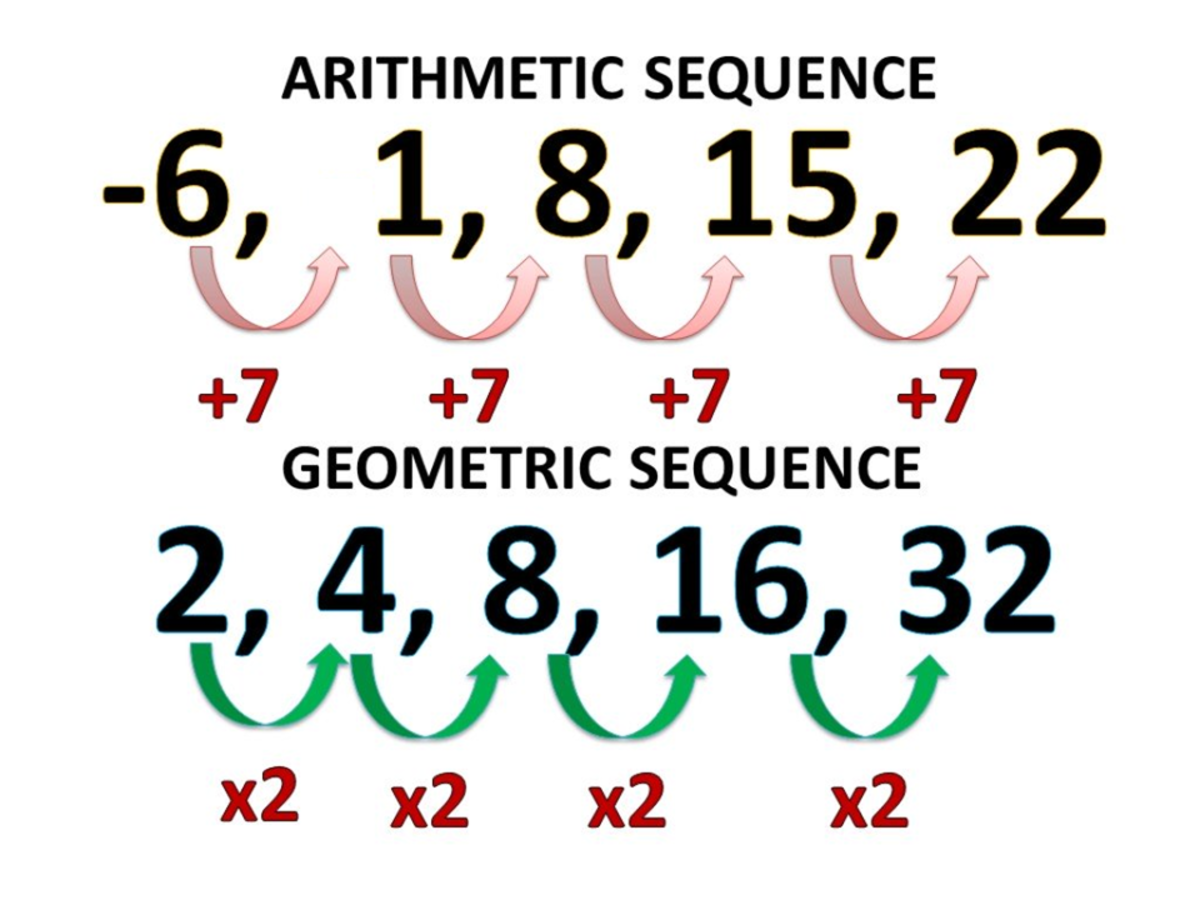
Arithmetic Sequence Patterns

What are Patterns in Math? Definition, Types, Examples, Facts

Grade 7 Number Patterns Worksheet
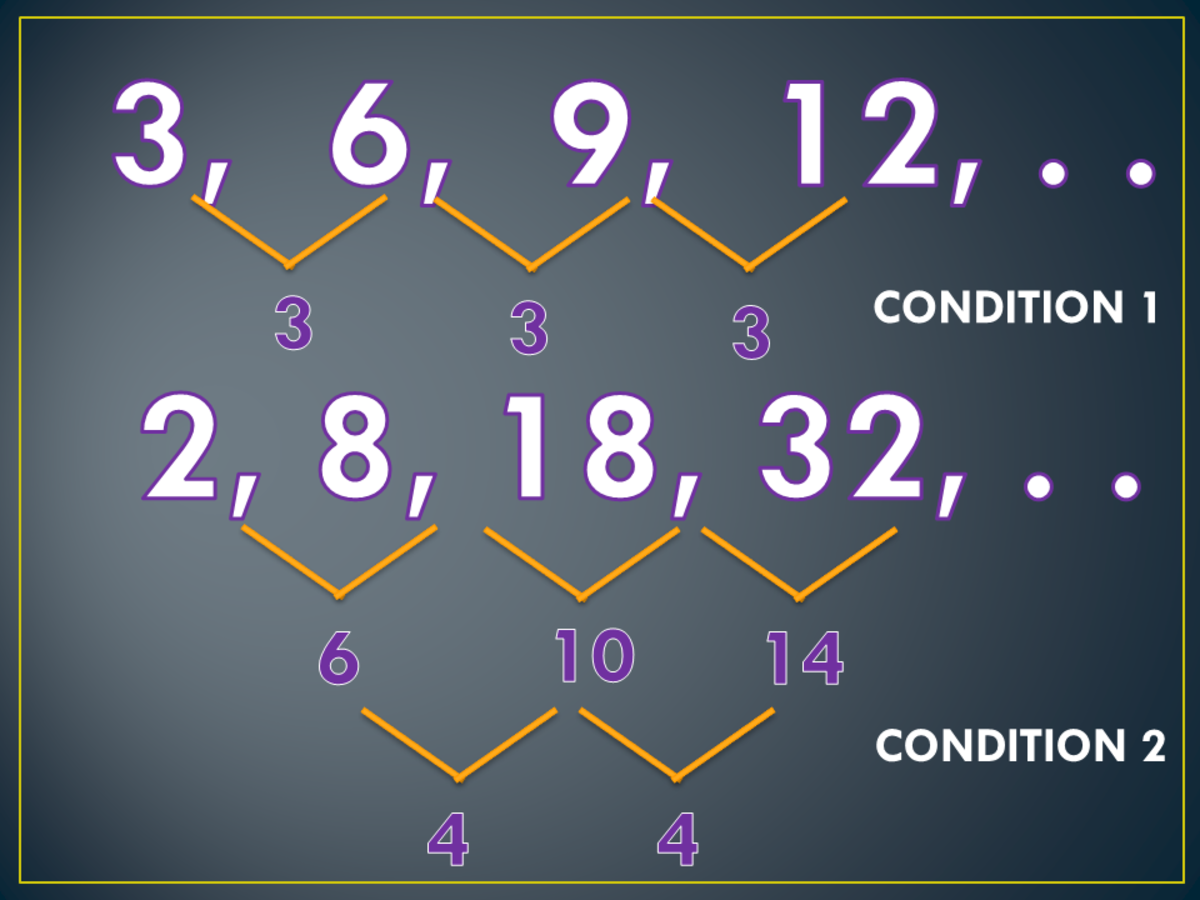
How to Find the General Term of Sequences Owlcation
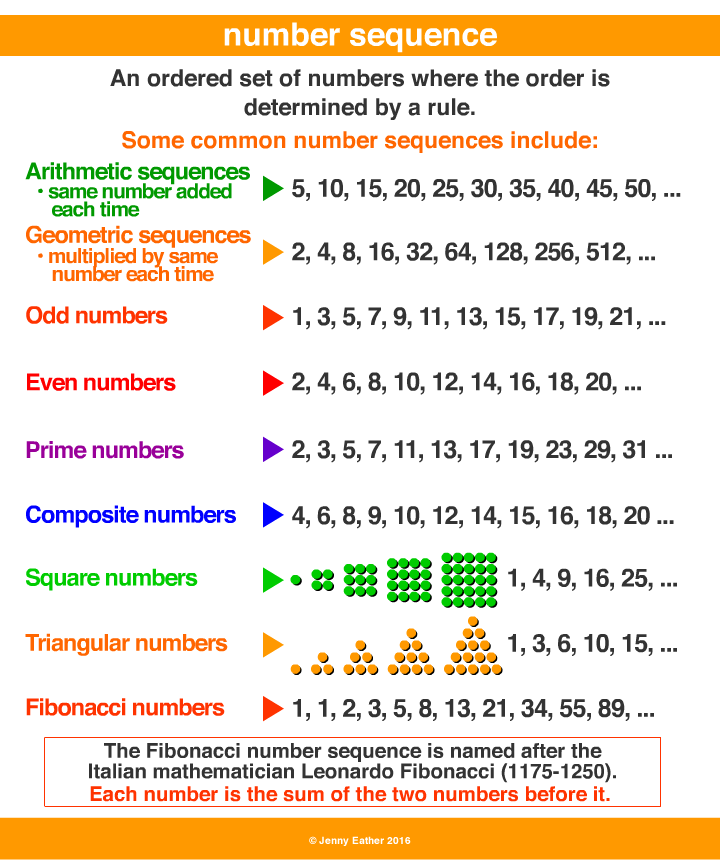
number sequence A Maths Dictionary for Kids Quick Reference by Jenny

Quadratic Number Pattern YouTube

Video Tutorial Common Core Math Standard 4.OA.5 (Number Patterns

Bob created a number pattern beginning with 3. He created the next term
Is An Arithmetic Progression (Ap) Because It Follows A Pattern Where Each Number Is Obtained By Adding 4 To The Previous Term.
That Is, The Difference Between One Number And The Next Is 7.
Web July 19, 2024 Updated 5:27 P.m.
1, 4, 7, 10, 13, 16,.
Related Post: