
Starburst Eye Pattern
Starburst Eye Pattern - Web holmstrom et al examined external eye photographs of 43 children with the syndrome and 124 control subjects. Web this looks like an autumn or possibly bright winter eye to me. Colored bands that are wide and wrapped around the pupil. Pale lines that curve around the iris. A striking feature often found in spring eye patterns is the presence of a starburst or sunburst design surrounding the pupil. Starbursts around lights may be associated with: Diamond shaped holes that vary in size, located throughout the iris. Web patterns in the eye are unique and correlated with specific seasons in color analysis. If glare and starburst were there before, the resulting vision, even with some degree of these, is still judged as a success. Web these features include a small upturned nose, long philtrum (upper lip length), wide mouth, full lips, small chin, and puffiness around the eyes. Facial features become more apparent with age. When people see starbursts, they’re usually most bothersome around bright lights at night, when they cause thin rays of. Features of the peters' anomaly may be present. Bright glow or rings around lights at night, starbursts around headlights, or a slight blurring or ghosting of a street light are all night vision symptoms. Web holmstrom et al examined external eye photographs of 43 children with the syndrome and 124 control subjects. A starburst pattern in the colored part of the eye. These can be normal but in many cases form due to medical or surgical conditions of the eye. Web it is associated with developmental delays and medical problems affecting multiple parts of the body. Web the three most common types of iris patterns are: Starbursts around lights may be associated with: The stroma appears coarse with radial or cartwheel striations. Bright glow or rings around lights at night, starbursts around headlights, or a slight blurring or ghosting of a street light are all night vision symptoms. Some people only have one of these accompanying symptoms, but the commonality is this gradual (meaning seconds and not instantly, usually) onset and resolution of. It looks like an aztec sun to me. Web patients usually judge the results of cataract surgery (and their new artificial lens implant) by how well they see afterwards compared to what they were seeing before. Web halos and starbursts are formed from abnormal or atypical focusing of light called higher order aberrations. 105k subscribers in the coloranalysis community. The. Web starbursts around lights are troublesome, bright circles of light that surround headlights and other light sources. Web diffraction spikes are lines radiating from bright light sources, causing what is known as the starburst effect or sunstars in photographs and in vision. Features of the peters' anomaly may be present. Features of williams syndrome include: Learn, discover and discuss your. Web holmstrom et al examined external eye photographs of 43 children with the syndrome and 124 control subjects. The stroma appears coarse with radial or cartwheel striations. Starbursts around lights may be associated with: Pale lines that curve around the iris. Regardless of eye color, many have a yellow starburst pattern near the pupil and they tend to be described. Web holmstrom et al examined external eye photographs of 43 children with the syndrome and 124 control subjects. A stellate pattern was noted in the irides of 51% of the williams patients and 12% of controls. Blue irides (77%) and a lacey or stellate pattern (74%) of the iris are characteristic. Web starbursts around lights are troublesome, bright circles of. Laser assisted in situ keratomileusis (lasik) multifocal lens implantation. Some people only have one of these accompanying symptoms, but the commonality is this gradual (meaning seconds and not instantly, usually) onset and resolution of either negative (void) or positive (lighted) visual phenomena, experienced in both eyes (even though it may seem. A starburst pattern in the colored part of the. The stroma appears coarse with radial or cartwheel striations. Web spring eyes are often blue or green (or a mixture of the two), but can absolutely be brown. Web however, for every person with migraines there is a different pattern; If that light source has a relatively bright area behind it, you will lose some of your star effect. Web. Web these features include a small upturned nose, long philtrum (upper lip length), wide mouth, full lips, small chin, and puffiness around the eyes. Web however, for every person with migraines there is a different pattern; Diamond shaped holes that vary in size, located throughout the iris. Web one of the primary reasons for seeing starbursts is refractive errors, such. Features of williams syndrome include: Web diffraction spikes are lines radiating from bright light sources, causing what is known as the starburst effect or sunstars in photographs and in vision. Regardless of eye color, many have a yellow starburst pattern near the pupil and they tend to be described as sparkling. Springs have a warm skin tone as there is. This pattern is most obvious in patients with pale eyes (blue, green, hazel, and light brown), but careful investigation with slit lamp microscopy may reveal it in patients with dark brown eyes (2). Features of williams syndrome include: The iris collarette is usually absent or anomalous. Features of the peters' anomaly may be present. These aberrations can cause difficulty seeing. Find out which eye patterns go with which season. Colored bands that are wide and wrapped around the pupil. These aberrations can cause difficulty seeing at night, glare, halos, blurring, starburst patterns or double vision (diplopia). Web the three most common types of iris patterns are: This design typically consists of a golden or white ring encircling the pupil, adding a. Bright glow or rings around lights at night, starbursts around headlights, or a slight blurring or ghosting of a street light are all night vision symptoms. If glare and starburst were there before, the resulting vision, even with some degree of these, is still judged as a success. 105k subscribers in the coloranalysis community. This pattern is most obvious in patients with pale eyes (blue, green, hazel, and light brown), but careful investigation with slit lamp microscopy may reveal it in patients with dark brown eyes (2). It looks like an aztec sun to me. Web this looks like an autumn or possibly bright winter eye to me. A starburst pattern in the colored part of the eye. Springs have a warm skin tone as there is often the presence of yellow in. Facial features become more apparent with age. Fullness to the skin around the eyes. Web one of the primary reasons for seeing starbursts is refractive errors, such as myopia (nearsightedness), hyperopia (farsightedness), or astigmatism.
This isn't a painting this is my sons actual eye. Blue and greeneyed

How talented obsessed with this look 💣 Create these eyes with

Starburst series contacts close up Grey contacts, Green contacts

The extra large size and dazzling starburst pattern of the GEO Lotus
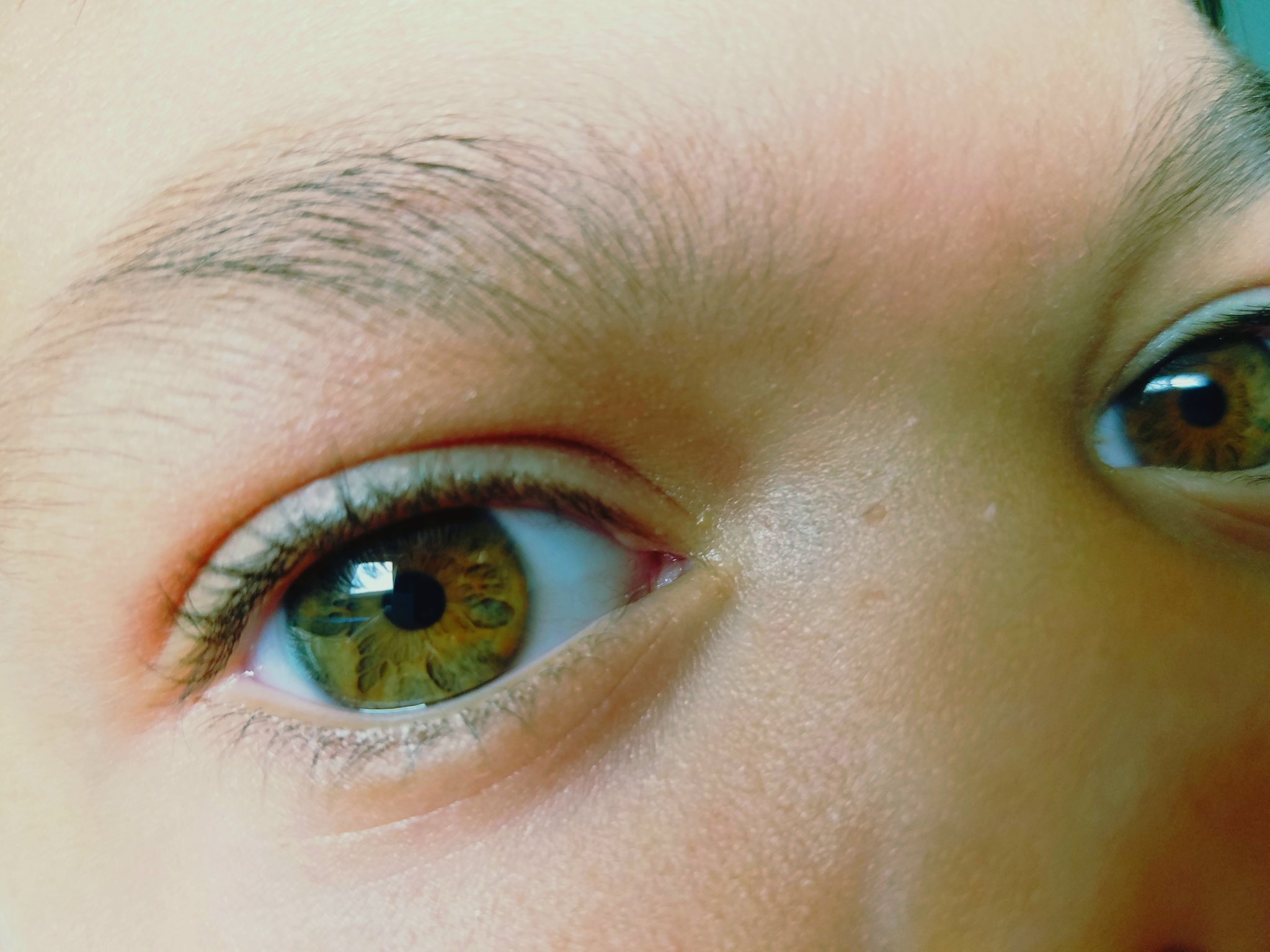
Williams Syndrome Eyes

EYE PATTERNS AND SEASONAL COLOUR ANALYSIS

Starburst eye makeup (via buzzfeedstyle) // HalloweenIdeas Makeup

Starburst Eye by MVTPhotography on deviantART

TIL Starburst pupils are commonly found in individuals with Williams

EYE PATTERNS AND SEASONAL COLOUR ANALYSIS
Some People Only Have One Of These Accompanying Symptoms, But The Commonality Is This Gradual (Meaning Seconds And Not Instantly, Usually) Onset And Resolution Of Either Negative (Void) Or Positive (Lighted) Visual Phenomena, Experienced In Both Eyes (Even Though It May Seem.
Starbursts Around Lights May Be A Symptom Of:
Features Of Williams Syndrome Include:
You Might Be Surprised To Learn That Most People Have Some Form Of Night Vision Distortions.
Related Post: