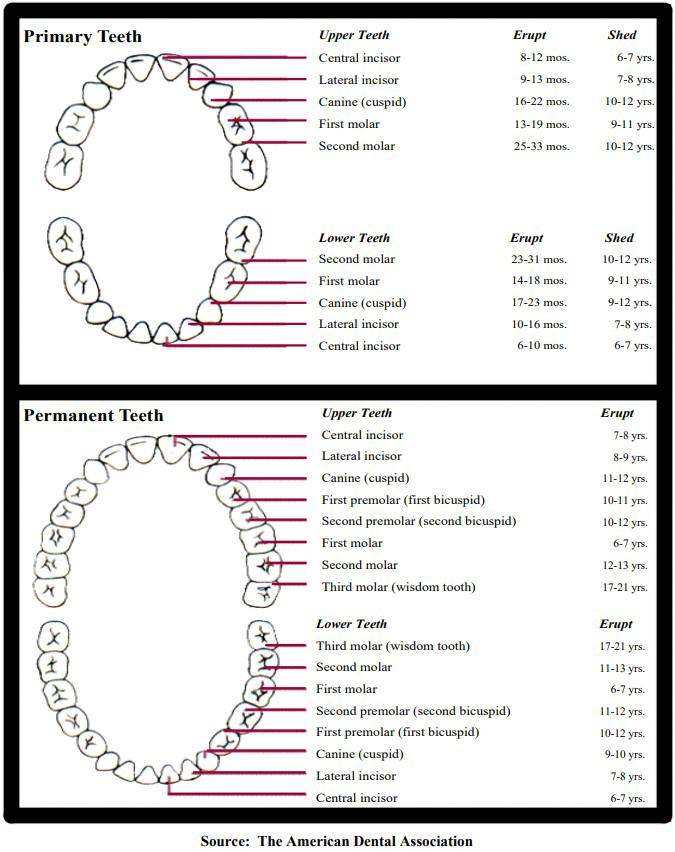
Eruption Pattern Primary Teeth
Eruption Pattern Primary Teeth - Web the four front teeth—two upper and two lower— usually erupt first, beginning as early as six months after birth. • at about the same time the first primary teeth begin to exfoliate (“fall out”), the first permanent molars (six year old molars) may be erupting. Web sequence of emergence of primary teeth. Web the timing and sequence for the eruption of a child’s 20 primary teeth (baby teeth) is as follows: Web the primary teeth gradually erupt through the gums during the first 2½ years of life. Web while most children have 20 primary teeth—10 in each of the upper and lower jaws—these teeth eventually are replaced by 32 permanent teeth, 16 in each jaw. Web tooth eruption chart with eruption age and number described in this article. Web primary teeth begin eruption at around 6 months and permanent teeth at around 6 years. In general, lower tooth erupts before it’s upper counterpart with few exceptions (lower before upper rule). Web an understanding of the normal sequence and patterns of tooth eruption is the foundation for identifying and treating children with abnormal dental development and optimizing their oral and overall health. The permanent molars are referred to by their anticipated age of eruption. The child’s jaws continue to grow, making room for the permanent (adult) teeth that will begin to erupt at about age 6 years. Most children have a full set of primary teeth by. Once a tooth has begun to develop within your child’s mouth, it will progress into the eruptive stage. The exception to this is the first molars, which typically erupt before the cuspids (canines). Web primary teeth begin eruption at around 6 months and permanent teeth at around 6 years. The first permanent teeth to emerge are usually the maxillary and mandibular first molars. Early or delayed loss of primary teeth can be a concern. Web teething occurs when your child’s baby teeth, also called primary teeth, begin to break through the gum tissue. They fall out (shed) at various times throughout childhood. Learn primary and permanent teeth eruption sequence and timeline. • at about the same time the first primary teeth begin to exfoliate (“fall out”), the first permanent molars (six year old molars) may be erupting. Most children have a full set of primary teeth by the time they are 3 years old. Web teething occurs when your child’s baby teeth,. Web at birth people usually have 20 baby (primary) teeth, which start to come in (erupt) at about 6 months of age. Web supernumerary tooth is one of the most common dental anomalies, with a prevalence ranging between 1.11% and 14.04%, depending on age, sex, and geographical region [1, 2].compared to the solitary supernumerary tooth, the occurrence of more than. Tooth eruption chart www.toothspeak.com 3 14 30 19. Most children have a full set of primary teeth by the time they are 3 years old. Web primary teeth begin forming at five months and usually finish erupting by 33 months. Web while most children have 20 primary teeth—10 in each of the upper and lower jaws—these teeth eventually are replaced. The typical anatomy and development of human dentition are reviewed here. The child’s jaws continue to grow, making room for the permanent (adult) teeth that will begin to erupt at about age 6 years. They fall out (shed) at various times throughout childhood. Tooth eruption chart www.toothspeak.com 3 14 30 19. Read to find out when they erupt, how to. Once a tooth has begun to develop within your child’s mouth, it will progress into the eruptive stage. Web tooth eruption chart with eruption age and number described in this article. The four front teeth—two upper and two lower—usually erupt first, beginning as early as six months after birth. In general, lower tooth erupts before it’s upper counterpart with few. The typical anatomy and development of human dentition are reviewed here. During primary dentition, the tooth buds of permanent teeth develop inferior to the primary teeth, close to the palate or tongue. Web an understanding of the normal sequence and patterns of tooth eruption is the foundation for identifying and treating children with abnormal dental development and optimizing their oral. Web each one of us is typically born with 20 baby teeth and 32 adult teeth. Web supernumerary tooth is one of the most common dental anomalies, with a prevalence ranging between 1.11% and 14.04%, depending on age, sex, and geographical region [1, 2].compared to the solitary supernumerary tooth, the occurrence of more than five supernumerary teeth is considerably rare. Once a tooth has begun to develop within your child’s mouth, it will progress into the eruptive stage. Web primary teeth begin forming at five months and usually finish erupting by 33 months. Web at birth people usually have 20 baby (primary) teeth, which start to come in (erupt) at about 6 months of age. The four front teeth—two upper. The first permanent teeth to emerge are usually the maxillary and mandibular first molars. The first set out of the two sets of teeth are known as the milk, deciduous teeth or primary dentition. The child’s jaws continue to grow, making room for the permanent (adult) teeth that will begin to erupt at about age 6 years. By age 21,. Web at birth people usually have 20 baby (primary) teeth, which start to come in (erupt) at about 6 months of age. Web the timing and sequence for the eruption of a child’s 20 primary teeth (baby teeth) is as follows: Web supernumerary tooth is one of the most common dental anomalies, with a prevalence ranging between 1.11% and 14.04%,. Web teething occurs when your child’s baby teeth, also called primary teeth, begin to break through the gum tissue. Web at birth people usually have 20 baby (primary) teeth, which start to come in (erupt) at about 6 months of age. Web an understanding of the normal sequence and patterns of tooth eruption is the foundation for identifying and treating children with abnormal dental development and optimizing their oral and overall health. Web supernumerary tooth is one of the most common dental anomalies, with a prevalence ranging between 1.11% and 14.04%, depending on age, sex, and geographical region [1, 2].compared to the solitary supernumerary tooth, the occurrence of more than five supernumerary teeth is considerably rare [].supernumerary teeth, especially when. Web the primary teeth gradually erupt through the gums during the first 2½ years of life. Web when do all of the primary teeth erupt and fall out? In general, lower tooth erupts before it’s upper counterpart with few exceptions (lower before upper rule). Web primary teeth begin eruption at around 6 months and permanent teeth at around 6 years. Web the four front teeth—two upper and two lower— usually erupt first, beginning as early as six months after birth. Web as a general rule, four teeth erupt for every six months of life, mandibular teeth erupt before maxillary teeth, and teeth erupt sooner in females than males. Early or delayed loss of primary teeth can be a concern. Tooth eruption chart www.toothspeak.com 3 14 30 19. Web the timing and sequence for the eruption of a child’s 20 primary teeth (baby teeth) is as follows: Web while most children have 20 primary teeth—10 in each of the upper and lower jaws—these teeth eventually are replaced by 32 permanent teeth, 16 in each jaw. This tooth eruption chart shows when your baby’s primary teeth (also called baby teeth or deciduous teeth) will erupt (come in) and fall out (shed). Tooth eruption generally begins at about six months of age, but baby teeth may take as long as a year to arrive.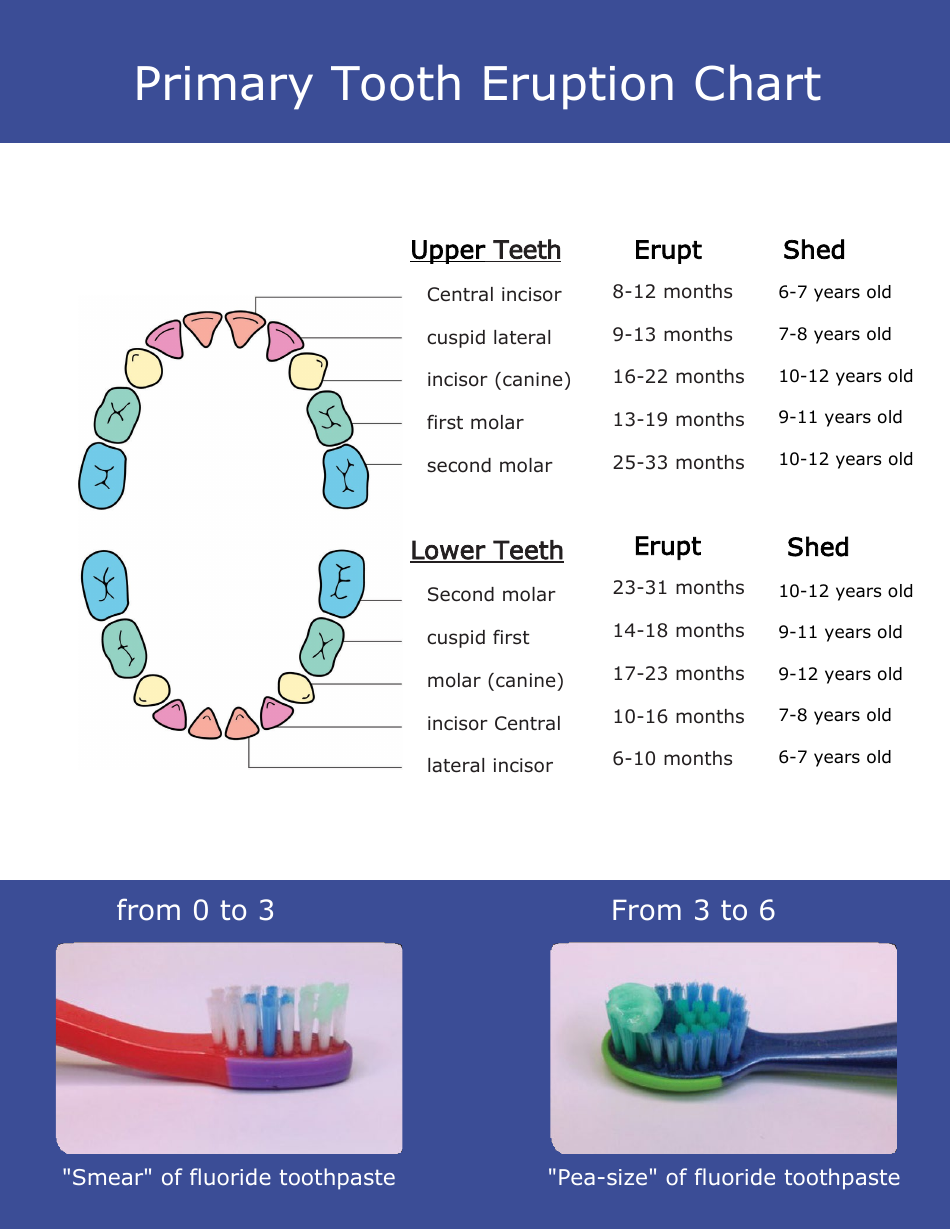
Primary Tooth Eruption Chart Download Printable PDF Templateroller
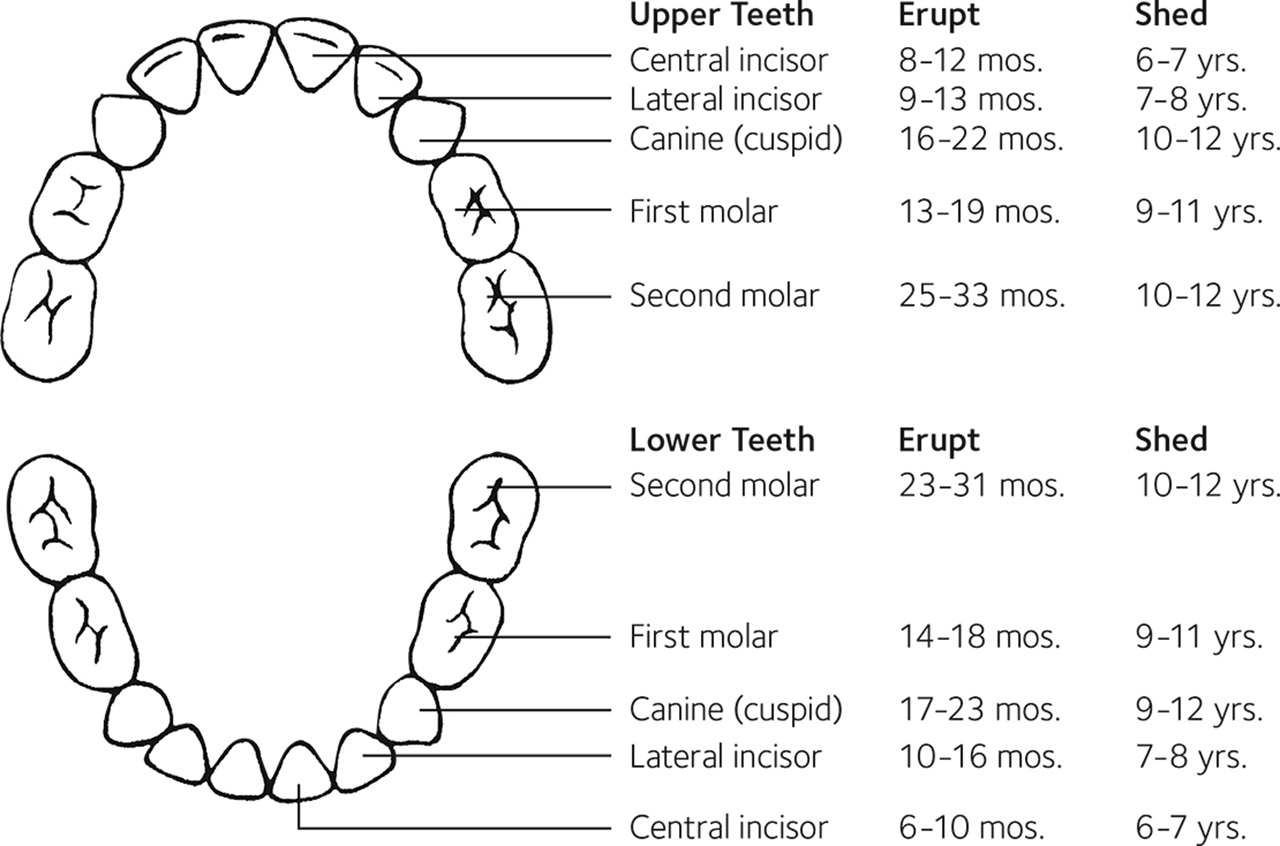
Eruption Charts MouthHealthy Oral Health Information from the ADA
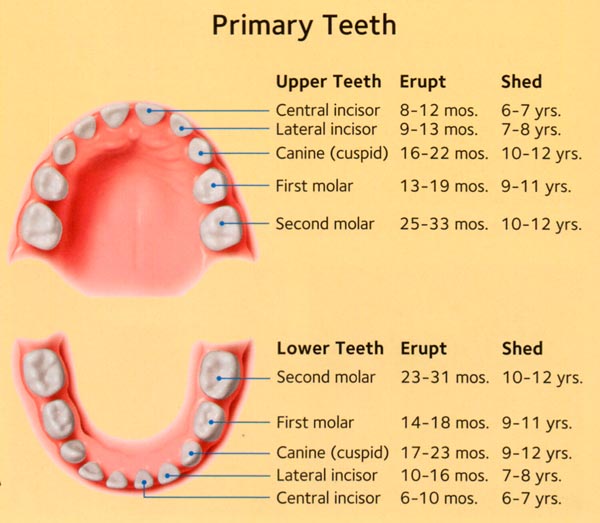
Dental Eruption Schedule Brookhaven Children's Dentistry

Primary Teeth Exfoliation Chart
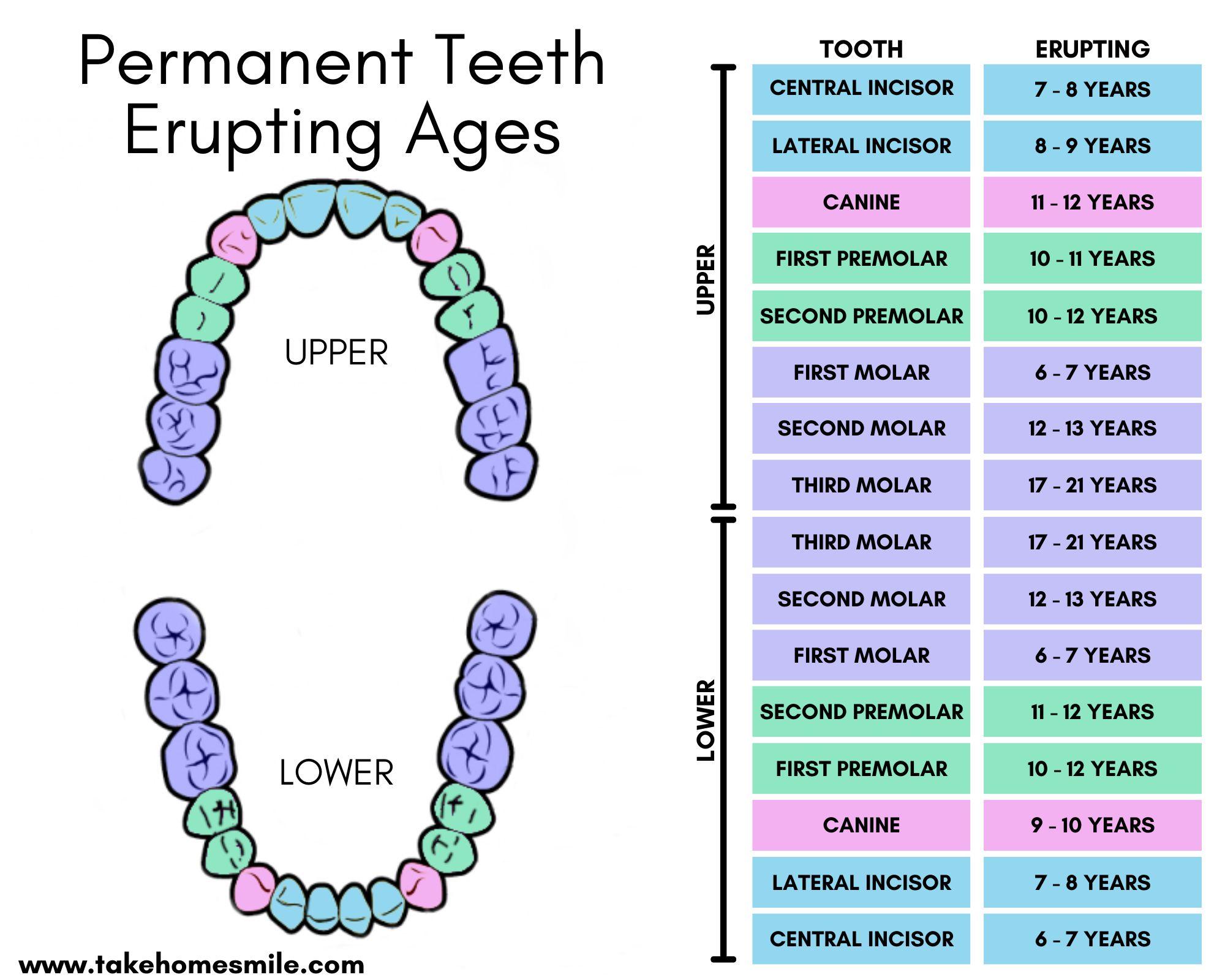
Eruption of Teeth Chart for Primary and Adult Teeth Take Home Smile

Order Of Teeth Eruption Chart
Tooth Eruption Chart and Timeline Fortson Dentistry
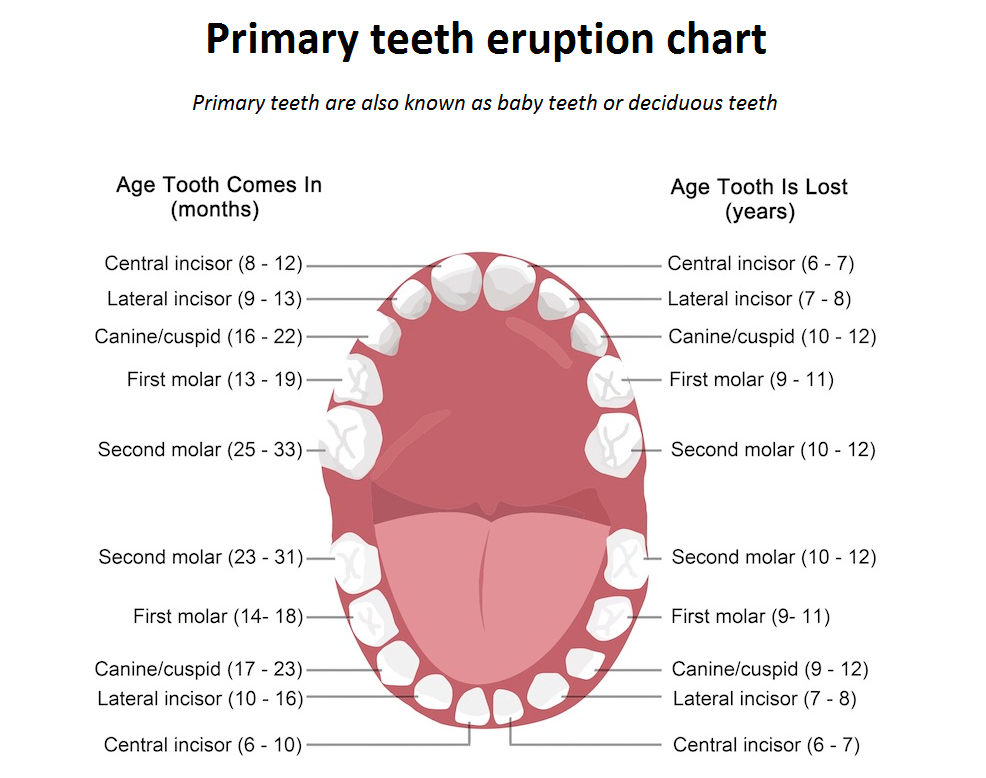
Teeth eruption chart for deciduous and permanent teeth News Dentagama
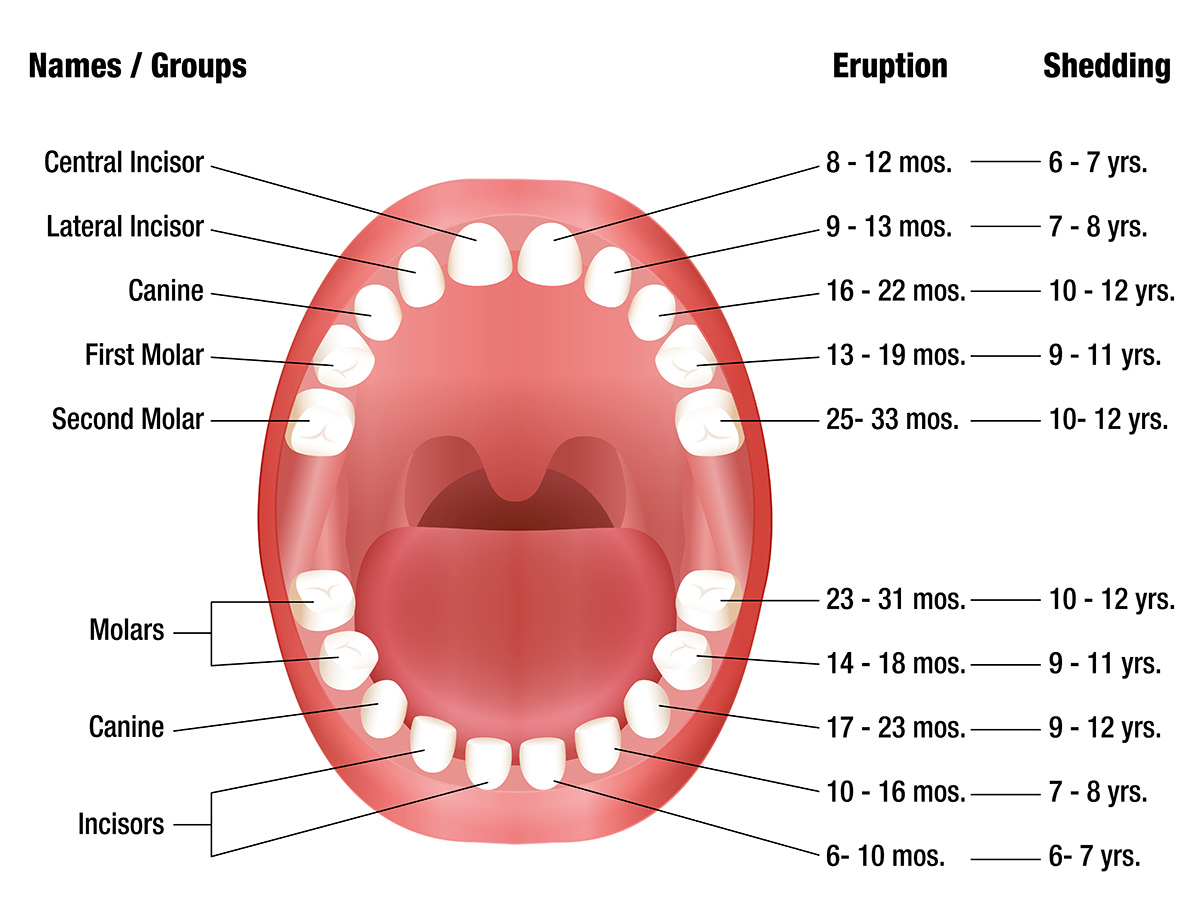
Teeth eruption chart for deciduous and permanent teeth News Dentagama
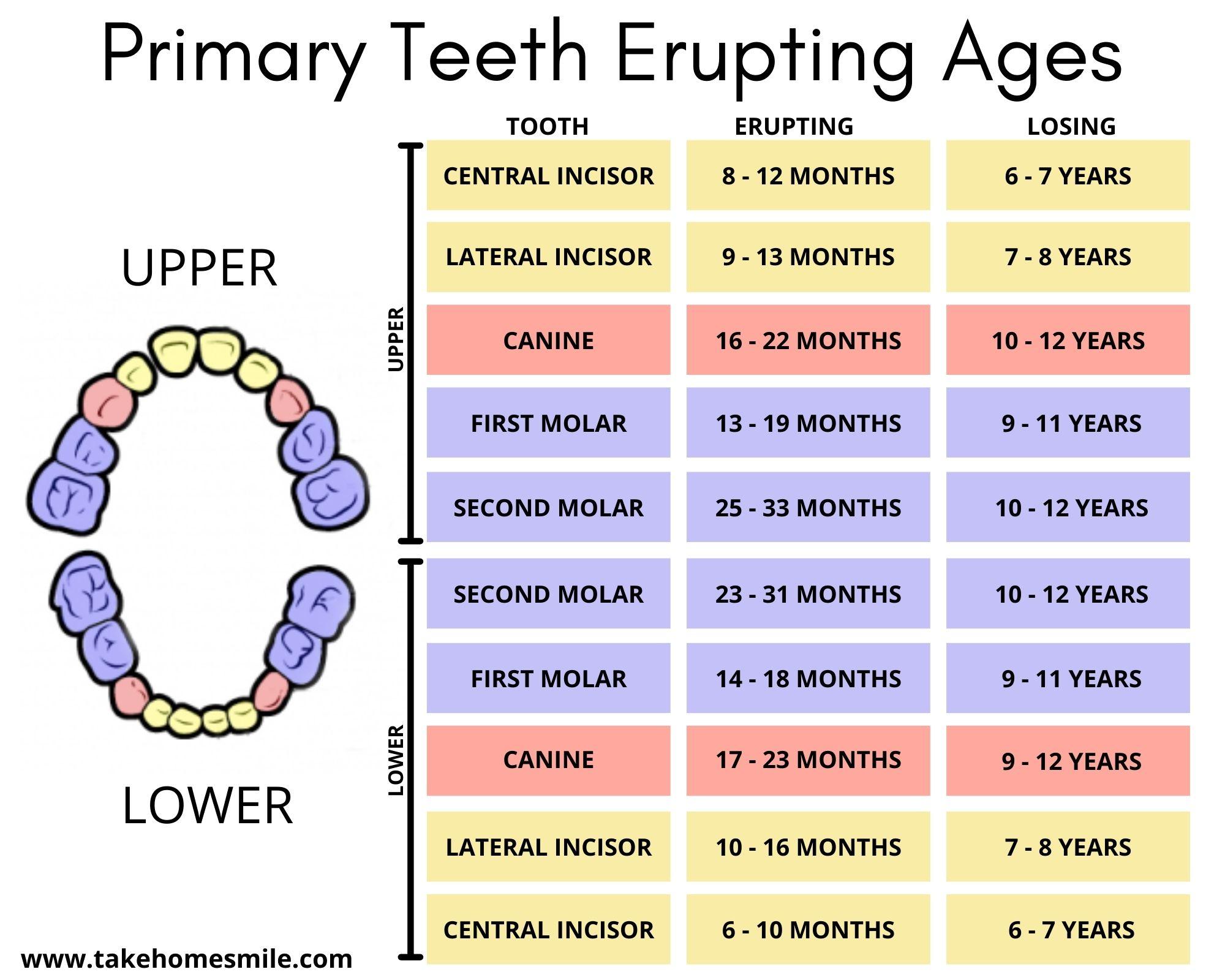
Eruption of Teeth Chart for Primary and Adult Teeth Take Home Smile
Tooth Eruption Follows A Distinct Pattern And Schedule, However, Individual Differences Are The Norm.
The First Anterior Teeth Can Be Seen Around The 6Th To 8Th Month After Birth, And The First Posterior Tooth Can Be Seen At Around 16 Months.
Web Sequence Of Emergence Of Primary Teeth.
The Child’s Jaws Continue To Grow, Making Room For The Permanent (Adult) Teeth That Will Begin To Erupt At About Age 6 Years.
Related Post: