
45 Degree Herringbone Paver Pattern
45 Degree Herringbone Paver Pattern - Any rectangular paver can be set in a crosshatch. The most popular such patterns are 45° or 90° herringbone patterns. Web installed in either a 45 or 90 degree angle, the herringbone paver pattern is widely used with traditional 4x8 brick paver sizes. A herringbone pattern can be laid in either a 45 degree or 90 degree angle. Web all block paving for areas carrying vehicular traffic, such as driveways, car parks or access roads, should be laid in a fully interlocked pattern. Web for one size paver patterns that are available, a herringbone pattern provides more possibilities than the above patterns. Laying down the design requires patience and a lot of precise measuring, but you’ll be rewarded with an unyielding driveway, even by herringbone’s already strong standards. When installing the 45º pattern. Web a herringbone brick pattern is a traditional and unique way of arranging bricks to create a visually appealing surface. It vibrates as you push it along and compacts the dirt. Web a herringbone brick pattern is a traditional and unique way of arranging bricks to create a visually appealing surface. The most popular such patterns are 45° or 90° herringbone patterns. Then, set out nine bricks. Web for one size paver patterns that are available, a herringbone pattern provides more possibilities than the above patterns. Laid at a 45 degree additionally adds to the beauty of this paver pattern. Web start by compacting the soil on your freshly graded ground. Web installed in either a 45 or 90 degree angle, the herringbone paver pattern is widely used with traditional 4x8 brick paver sizes. The 45 degree is the most difficult and most expensive to lay since it has the most cuts and wasted material. Web achieve patio perfection: Web all block paving for areas carrying vehicular traffic, such as driveways, car parks or access roads, should be laid in a fully interlocked pattern. Any rectangular paver can be set in a crosshatch. You can rent a plate compactor that looks like a little lawn mower. The most popular such patterns are 45° or 90° herringbone patterns. It vibrates as you push it along and compacts the dirt. Web herringbone patterns don’t require only red bricks. Web start by compacting the soil on your freshly graded ground. Web all block paving for areas carrying vehicular traffic, such as driveways, car parks or access roads, should be laid in a fully interlocked pattern. Line up the leading corners of the brick with a straightedge. With multiple ways to install these stunning driveway pavers, using a classic pattern.. Web installed in either a 45 or 90 degree angle, the herringbone paver pattern is widely used with traditional 4x8 brick paver sizes. Laid at a 45 degree additionally adds to the beauty of this paver pattern. The herringbone pattern provides the best resistance to horizontal forces from accelerating, braking and turning of wheels. Web all block paving for areas. Web setting out 45° herringbone. Web there are two types of herringbone patterns, 45 degree and 90 degree. It can be laid in multiples from double onwards removing the busyness of the traditional herringbone. The herringbone pattern provides the best resistance to horizontal forces from accelerating, braking and turning of wheels. This pattern is most appropriate for heavy vehicular paving. At first, this method may seem complicated but is particularly valuable for ensuring that the alignment is not drifting out of what it should be with subsequent courses of blocks. A herringbone pattern can be laid in either a 45 degree or 90 degree angle. Web this is a demonstration showing how to set out and lay a 45 degree. Then, set out nine bricks. Web the herringbone pattern has a mesmerizing look but could not be simpler. Web there are two types of herringbone patterns, 45 degree and 90 degree. It can be laid in multiples from double onwards removing the busyness of the traditional herringbone. It vibrates as you push it along and compacts the dirt. The most popular such patterns are 45° or 90° herringbone patterns. Web this is a demonstration showing how to set out and lay a 45 degree herringbone pattern in paving.more. You can rent a plate compactor that looks like a little lawn mower. This laying pattern provides the best interlock to prevent the pavers from shifting, especially for higher traffic. It vibrates as you push it along and compacts the dirt. 45 degrees and 90 degrees. At first, this method may seem complicated but is particularly valuable for ensuring that the alignment is not drifting out of what it should be with subsequent courses of blocks. Another large difference with using this pattern is that you will have more cuts. Web setting out 45° herringbone. Laid at a 45 degree additionally adds to the beauty of this paver pattern. Web the herringbone pattern has a mesmerizing look but could not be simpler. When installing the 45º pattern. Then, set out nine bricks. This laying pattern provides the best interlock to prevent the pavers from shifting, especially for higher traffic areas. Laid at a 45 degree additionally adds to the beauty of this paver pattern. Web herringbone patterns go in alternate directions making v shapes in the layout. It can be laid in multiples from double onwards removing the busyness of the traditional. Then, set out nine bricks. Web herringbone patterns don’t require only red bricks. A herringbone pattern can be laid in either a 45 degree or 90 degree angle. Web there are two types of herringbone patterns, 45 degree and 90 degree. Web the herringbone pattern has a mesmerizing look but could not be simpler. Web achieve patio perfection: It works with both 50mm and 60mm pavers and needs just a single baseline, although it can also be used when working from a right angled (90. Herringbone pattern installation guide 🌟🔨 in this video, we'll guide you through the process of laying a stunning herringbone pa. Web herringbone patterns go in alternate directions making v shapes in the layout. Laying down the design requires patience and a lot of precise measuring, but you’ll be rewarded with an unyielding driveway, even by herringbone’s already strong standards. Web a herringbone brick pattern is a traditional and unique way of arranging bricks to create a visually appealing surface. Web setting out 45° herringbone. When installing the 45º pattern. This pattern is most appropriate for heavy vehicular paving. This laying pattern provides the best interlock to prevent the pavers from shifting, especially for higher traffic areas. The 45 degree is the most difficult and most expensive to lay since it has the most cuts and wasted material.
45 Degree Herringbone Paver Pattern / A herringbone pattern can be laid
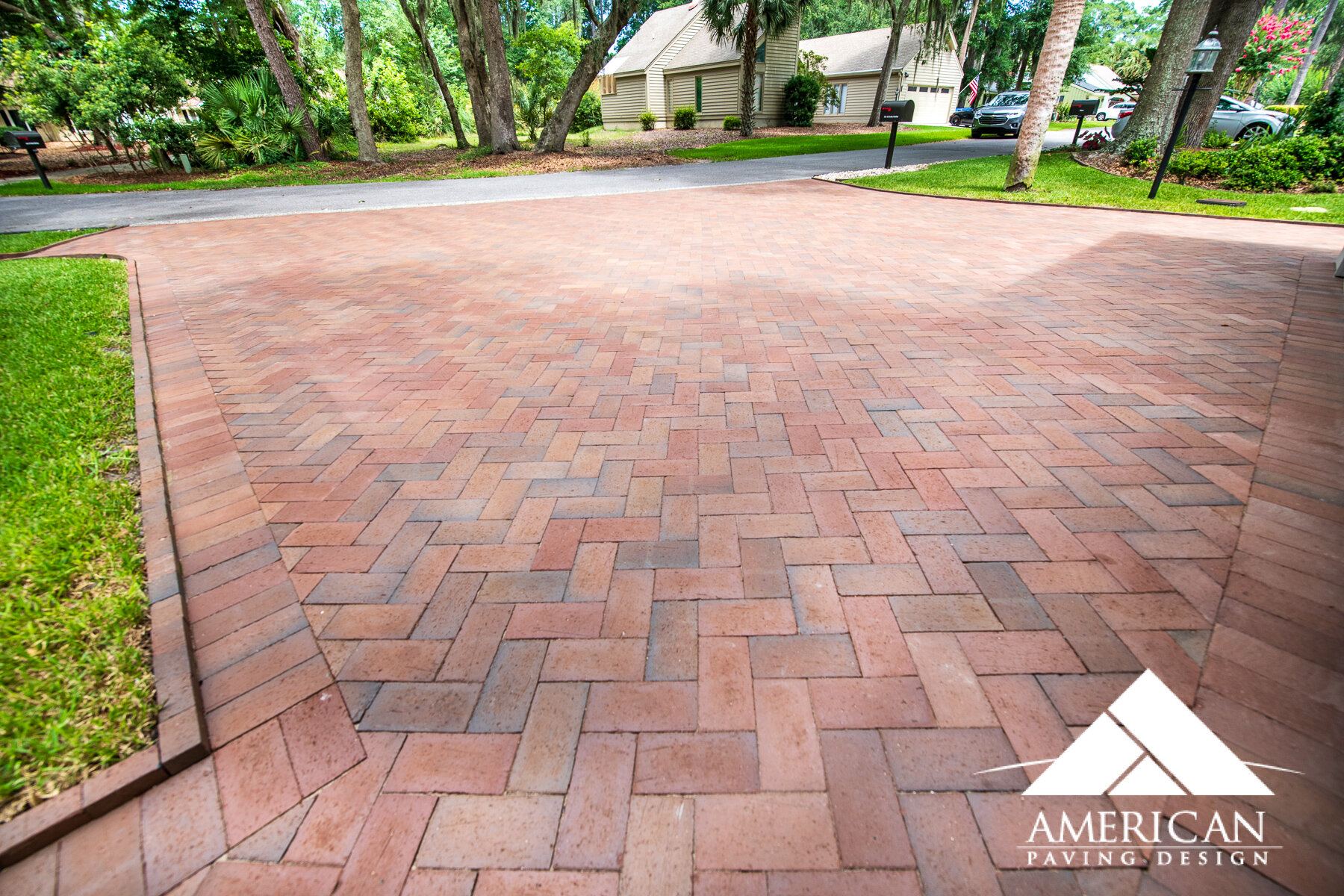
Herringbone The classic paver pattern — American Paving Design
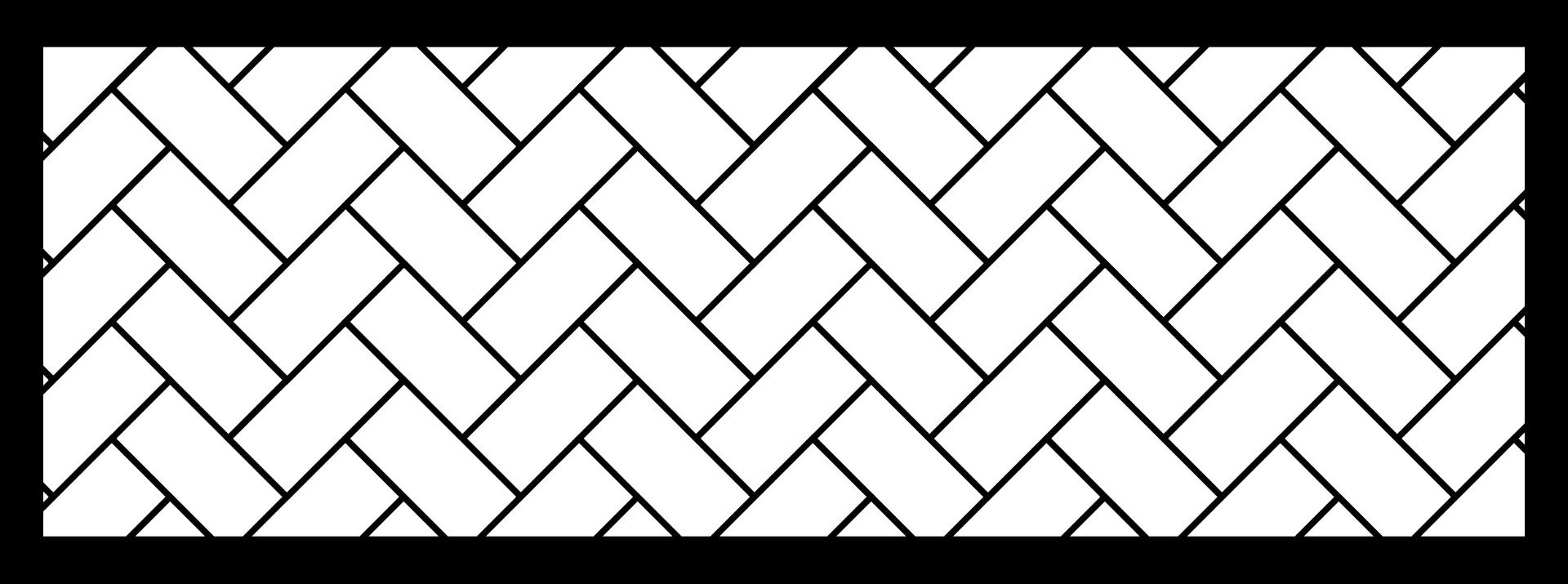
A Guide to Block Paving Patterns Simply Paving

Paver Patterns Littlehampton Bricks and Pavers

Paver walkway old chicago 45 Herringbone YouTube

premierdriveways Paving, Civil Engineering and Hard Landscaping in
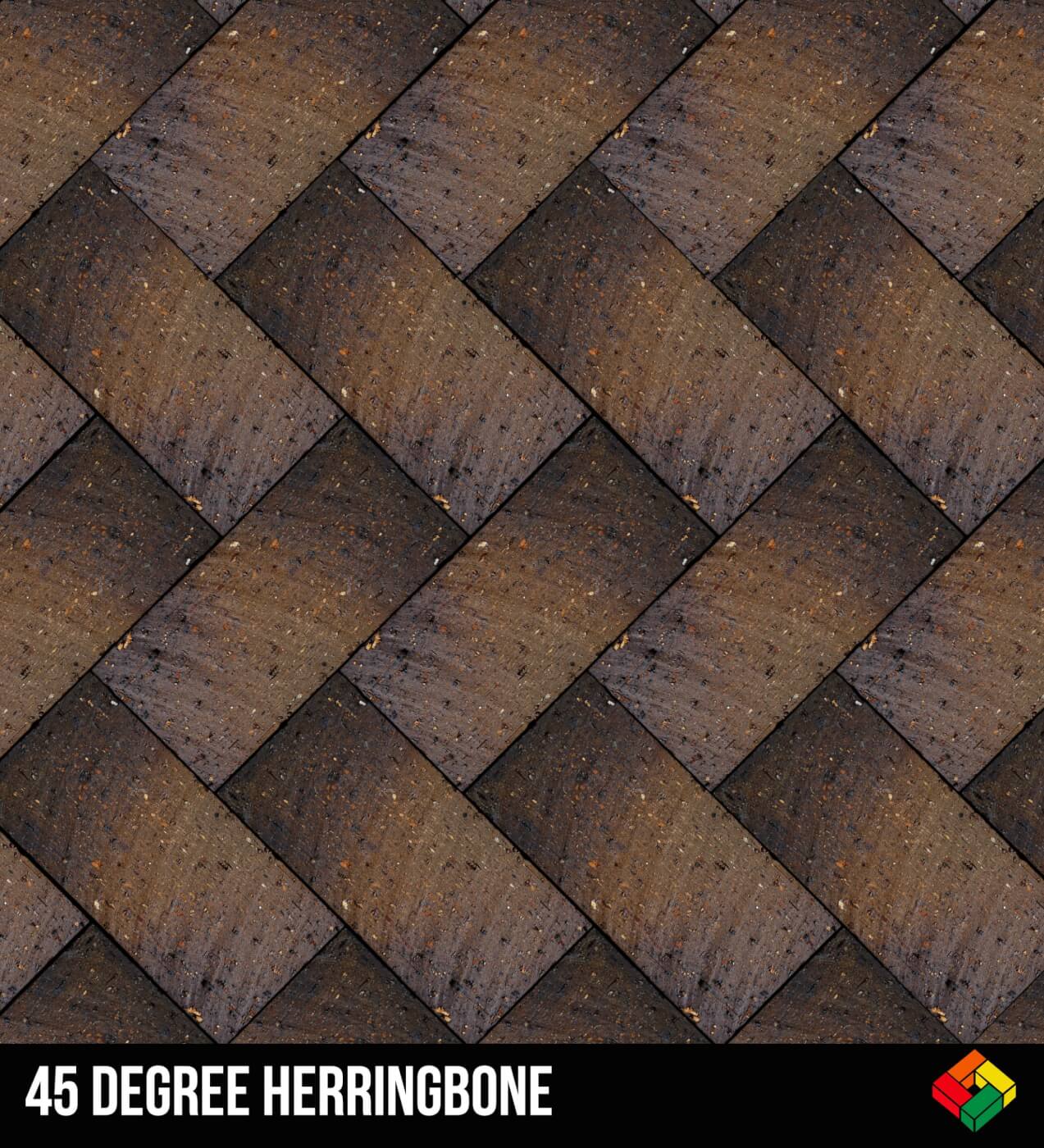
Paver Patterns Littlehampton Bricks and Pavers
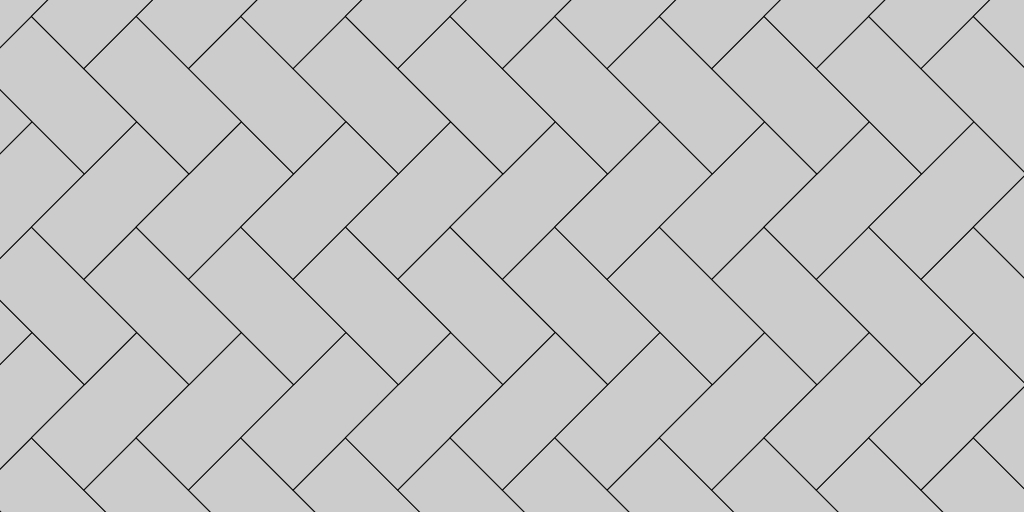
Herringbone 45 Degree Granite Diamond Blades

45 Degree Herringbone Paving Pattern Pattern.rjuuc.edu.np

Pattern 45 degree Herringbone, Field Piedmont, Border Charcoal
This Pattern Is Identical To The 90° Herringbone Pattern, Except That It Has Been Rotated Through 45°.
At First, This Method May Seem Complicated But Is Particularly Valuable For Ensuring That The Alignment Is Not Drifting Out Of What It Should Be With Subsequent Courses Of Blocks.
The Most Popular Such Patterns Are 45° Or 90° Herringbone Patterns.
Line Up The Leading Corners Of The Brick With A Straightedge.
Related Post: