
1 3 Running Bond Pattern
1 3 Running Bond Pattern - Web the tiles will probably have curvature, hence the recommended bond. A large window flanked by antique brass sconces adds bonus. Web the two main pattern types include running bond and stacked bond, and in this article, we’ll tell you everything you need to know about both of them. Web hi all just want to know if there is a way of unlocking the scale setting for a 1/3 running bond pattern so i can adjust to suit either brick or blocks. What would be the best pattern to use on the floor: This paver pattern is very similar to a basic stack bond pattern. Web i can't seem to be able to figure out the syntax / code for creating what i believe is referred to as 1/3 staggered running bond pattern for a 12 x 24 tile. Web i will have a light gray 8x20 1/2 running bond (brick) pattern on my bathroom walls. Stacked, 1/2 running bond, or 1/3 running. Web two additional variations on the stacked bond are 1/3 and 1/4 offset options. Web the two main pattern types include running bond and stacked bond, and in this article, we’ll tell you everything you need to know about both of them. Stacked, 1/2 running bond, or 1/3 running. Web hi all just want to know if there is a way of unlocking the scale setting for a 1/3 running bond pattern so i can adjust to suit either brick or blocks. Web two additional variations on the stacked bond are 1/3 and 1/4 offset options. You can either fix 1/3 bond or a straight stack bond. What would be the best pattern to use on the floor: A highly versatile pattern that suits all surfaces and walls. This paver pattern is very similar to a basic stack bond pattern. Web third running bond (also called 1/3 offset) this pattern is created exactly the same way as the previous one we mentioned except that instead of offsetting the rows by half the. If a regular running, or offset, bond is installed at half width, 1/3 and 1/4 offset bonds are installed. Web the two main pattern types include running bond and stacked bond, and in this article, we’ll tell you everything you need to know about both of them. Use running bond to create that classic subway tile look. A highly versatile pattern that suits all surfaces and walls. You can either fix 1/3 bond or a straight stack bond. This. Web two additional variations on the stacked bond are 1/3 and 1/4 offset options. Web ⅓ running bond pattern: A large window flanked by antique brass sconces adds bonus. What would be the best pattern to use on the floor: Web i can't seem to be able to figure out the syntax / code for creating what i believe is. Use running bond to create that classic subway tile look. Web third running bond (also called 1/3 offset) this pattern is created exactly the same way as the previous one we mentioned except that instead of offsetting the rows by half the. Web two additional variations on the stacked bond are 1/3 and 1/4 offset options. Web the two main. You can either fix 1/3 bond or a straight stack bond. Web hi all just want to know if there is a way of unlocking the scale setting for a 1/3 running bond pattern so i can adjust to suit either brick or blocks. Bricks are set side by side, but instead of setting bricks directly above. Use running bond. Web the two main pattern types include running bond and stacked bond, and in this article, we’ll tell you everything you need to know about both of them. Bricks are set side by side, but instead of setting bricks directly above. You can either fix 1/3 bond or a straight stack bond. Stacked, 1/2 running bond, or 1/3 running. Web. Bricks are set side by side, but instead of setting bricks directly above. Web two additional variations on the stacked bond are 1/3 and 1/4 offset options. A running bond or brick lay pattern creates staggered grout lines by lining each tile up at the center of the tile above and below it. Use running bond to create that classic. Web hi all just want to know if there is a way of unlocking the scale setting for a 1/3 running bond pattern so i can adjust to suit either brick or blocks. Web the tiles will probably have curvature, hence the recommended bond. A highly versatile pattern that suits all surfaces and walls. Web ⅓ running bond pattern: Web. Bricks are set side by side, but instead of setting bricks directly above. Web the two main pattern types include running bond and stacked bond, and in this article, we’ll tell you everything you need to know about both of them. You can either fix 1/3 bond or a straight stack bond. Use running bond to create that classic subway. Web two additional variations on the stacked bond are 1/3 and 1/4 offset options. A highly versatile pattern that suits all surfaces and walls. What would be the best pattern to use on the floor: Web the tiles will probably have curvature, hence the recommended bond. Stacked, 1/2 running bond, or 1/3 running. What would be the best pattern to use on the floor: Web i will have a light gray 8x20 1/2 running bond (brick) pattern on my bathroom walls. Use running bond to create that classic subway tile look. A running bond or brick lay pattern creates staggered grout lines by lining each tile up at the center of the tile. Web two additional variations on the stacked bond are 1/3 and 1/4 offset options. A large window flanked by antique brass sconces adds bonus. Web hi all just want to know if there is a way of unlocking the scale setting for a 1/3 running bond pattern so i can adjust to suit either brick or blocks. A highly versatile pattern that suits all surfaces and walls. Web ⅓ running bond pattern: Use running bond to create that classic subway tile look. You can either fix 1/3 bond or a straight stack bond. Bricks are set side by side, but instead of setting bricks directly above. Stacked, 1/2 running bond, or 1/3 running. This paver pattern is very similar to a basic stack bond pattern. Web i can't seem to be able to figure out the syntax / code for creating what i believe is referred to as 1/3 staggered running bond pattern for a 12 x 24 tile. Web the tiles will probably have curvature, hence the recommended bond. Web the two main pattern types include running bond and stacked bond, and in this article, we’ll tell you everything you need to know about both of them. A running bond or brick lay pattern creates staggered grout lines by lining each tile up at the center of the tile above and below it.
Running Bond Brick Pattern
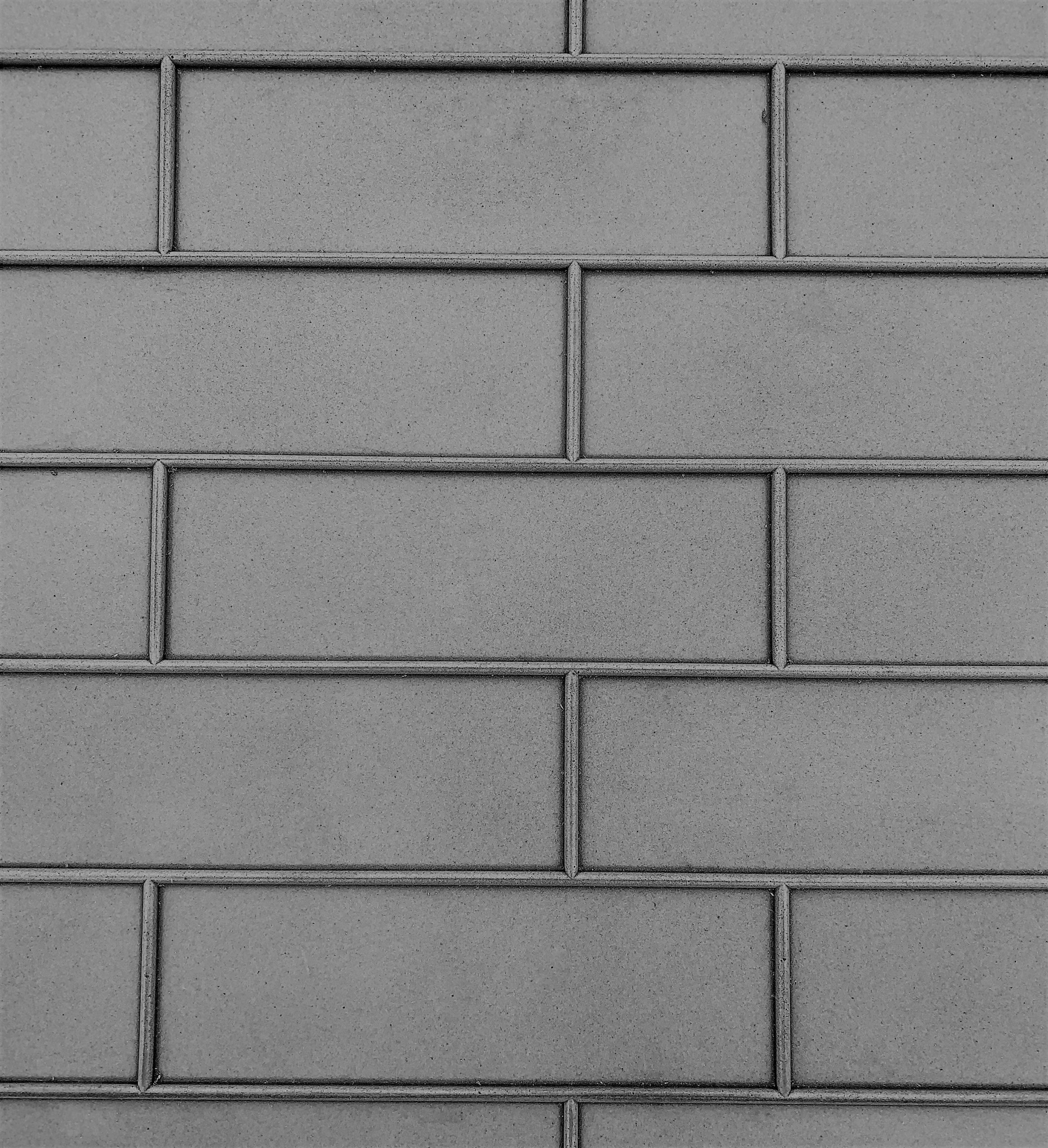
118M Utility Smooth 1/3 Running Bond Assembled Architectural Polymers

1/3 running bond adventures on spring lake

Roman Brick 1/3 Running Bond Cladding, Outdoor decor, Decor
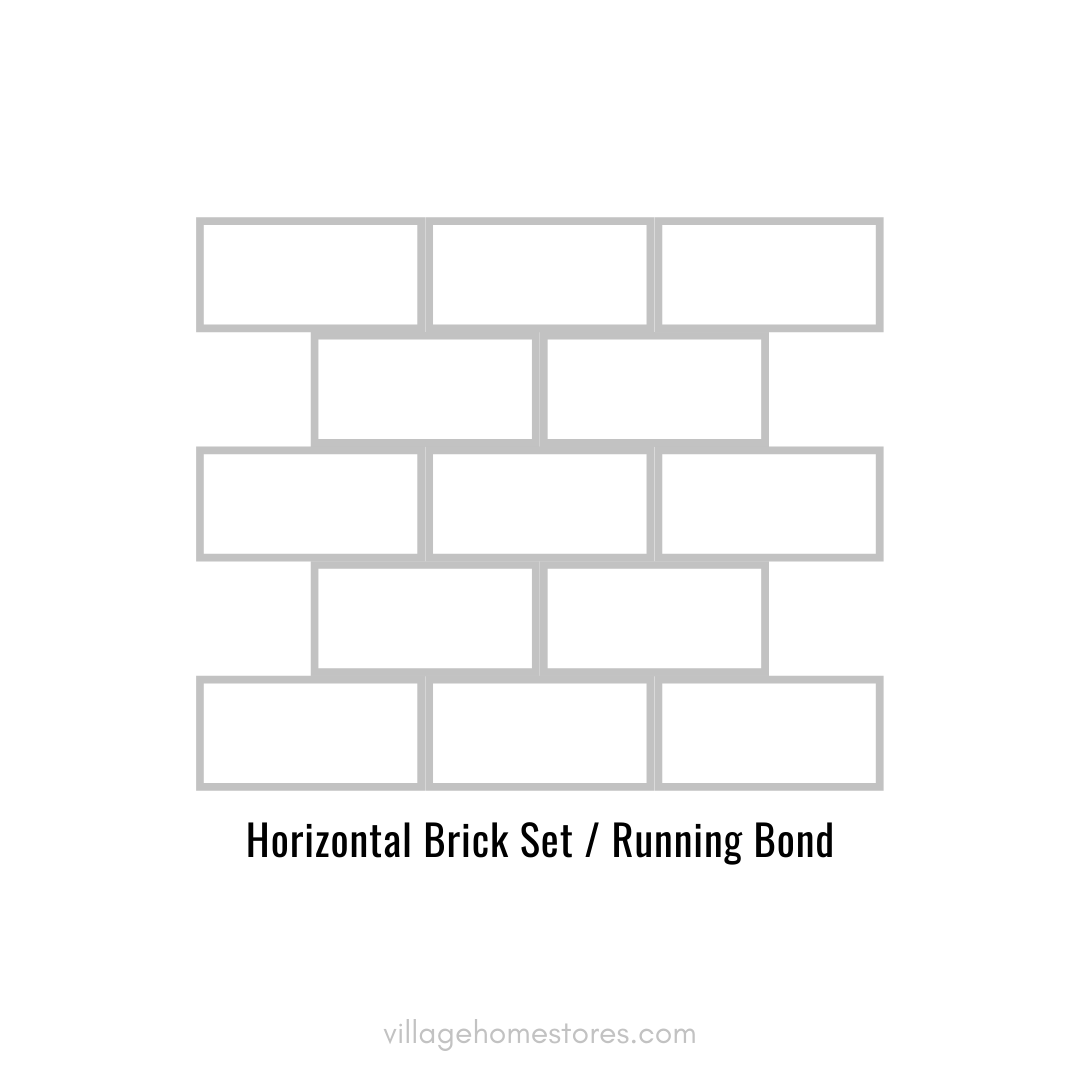
10 Subway Tile Patterns for Your Kitchen or Bath Design Village Home

Pin on Kitchen Decor & Organization

Running Bond Dimensions & Drawings

BLOCK PATTERN 1/3 RUNNING BOND General Q & A ChiefTalk Forum
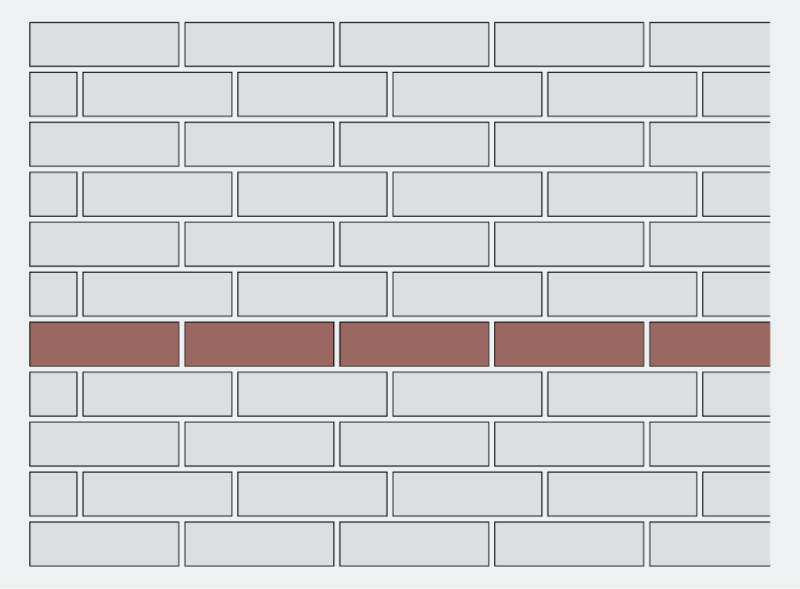
Typical Brick Bonds Archtoolbox
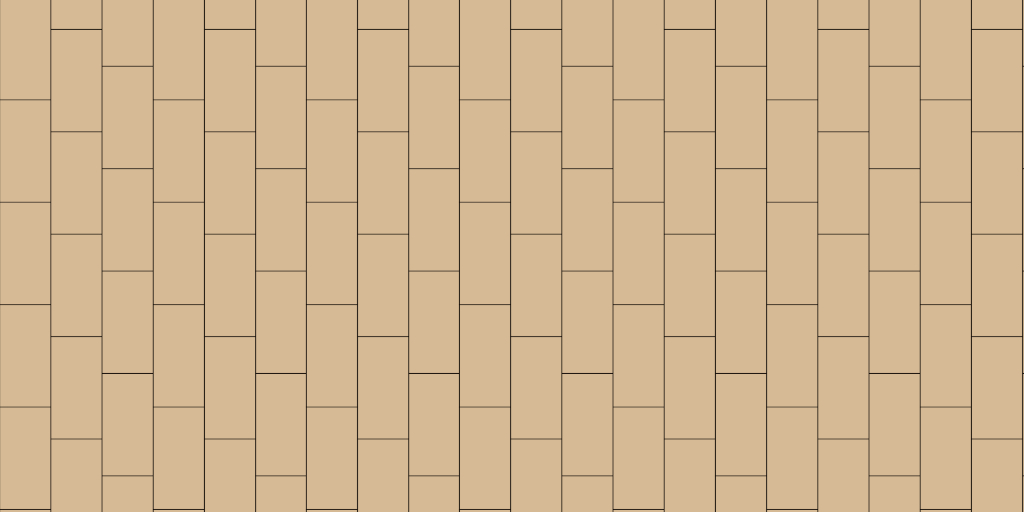
Bond Style Tiling Patterns A Look Bond Style Tile Patterns Variations
Web I Will Have A Light Gray 8X20 1/2 Running Bond (Brick) Pattern On My Bathroom Walls.
What Would Be The Best Pattern To Use On The Floor:
Web Third Running Bond (Also Called 1/3 Offset) This Pattern Is Created Exactly The Same Way As The Previous One We Mentioned Except That Instead Of Offsetting The Rows By Half The.
If A Regular Running, Or Offset, Bond Is Installed At Half Width, 1/3 And 1/4 Offset Bonds Are Installed.
Related Post: